Build a Pantry That Saves Money and Wastes Nothing

Today we dive into bulk shopping strategies for waste-free pantries, showing practical steps to buy smarter, store beautifully, and use every bite. Expect actionable checklists, real household examples, and tips that shrink trash while stretching budgets, flavor, and confidence in your kitchen routine. Share your smartest refill tip, ask questions, and subscribe for weekly, bite-sized practices that turn intention into easy, repeatable routines.

Plan Like a Pro Before You Scoop

Good bulk buying begins days before your jar hits the bin. Map what you already own, note portions your household truly eats, and align purchases with meals you’ll cook this week. This simple prep reduces impulse scoops, protects freshness windows, and turns your pantry into a calm, waste-cutting command center.

Smart Containers, Smarter Storage

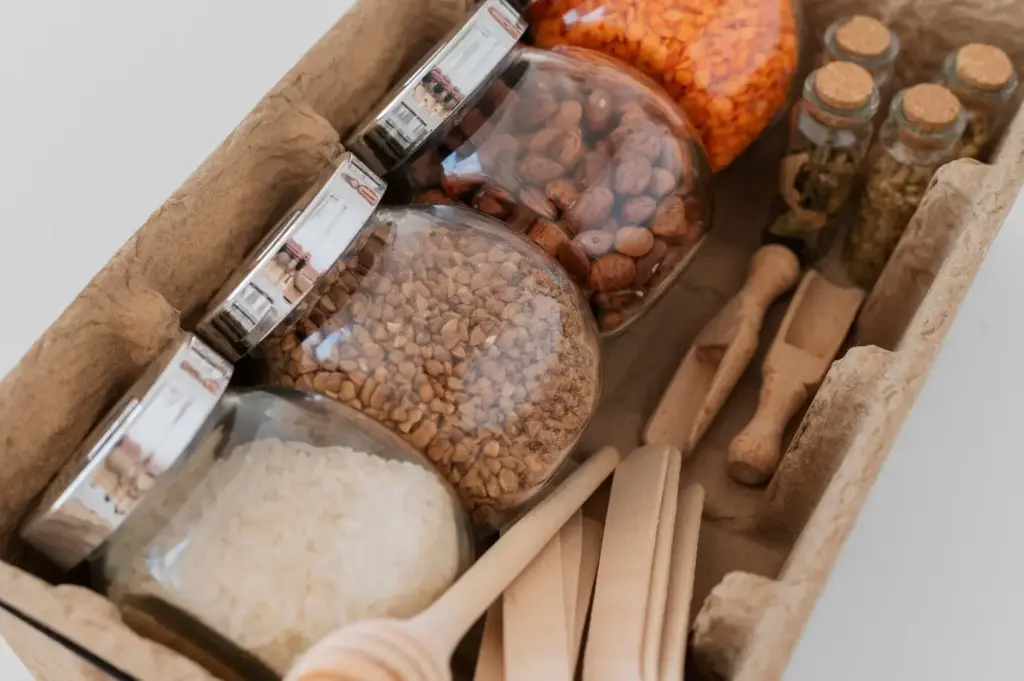
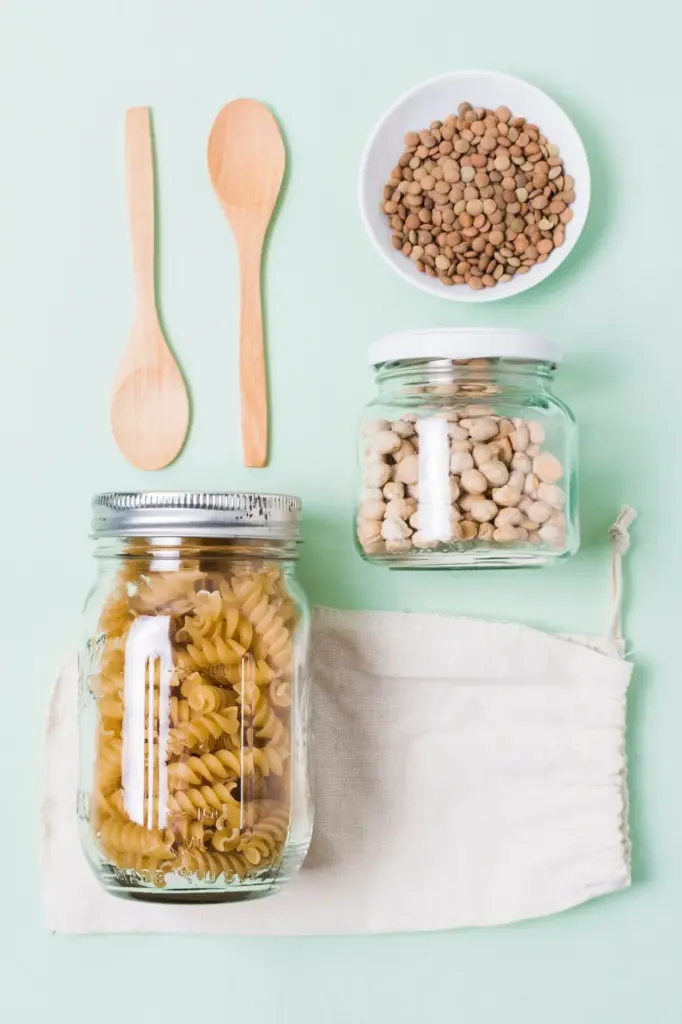
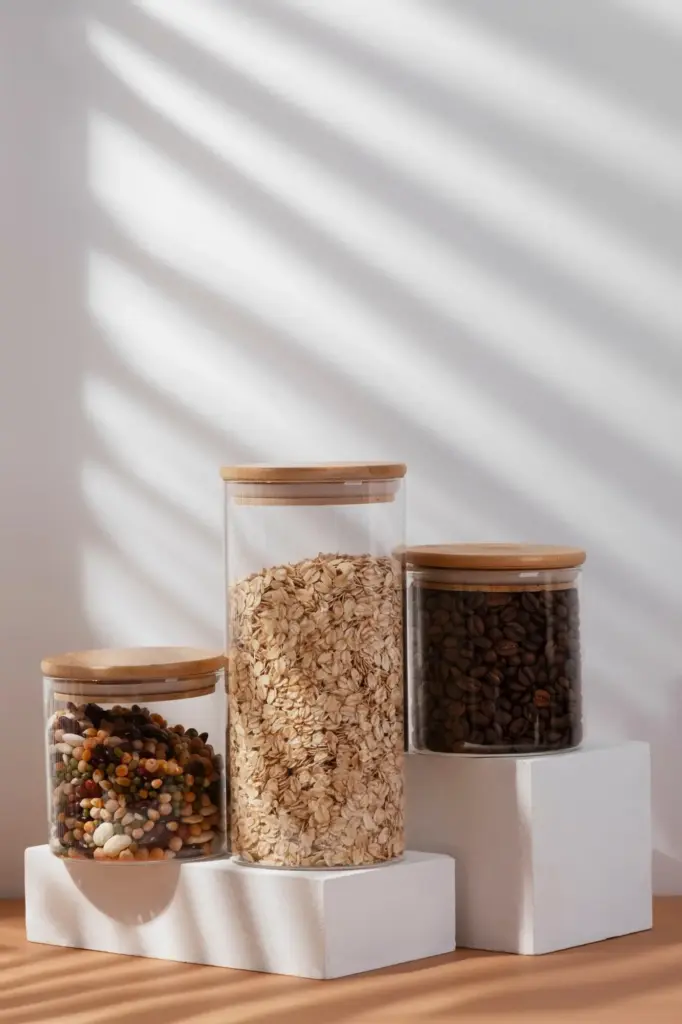
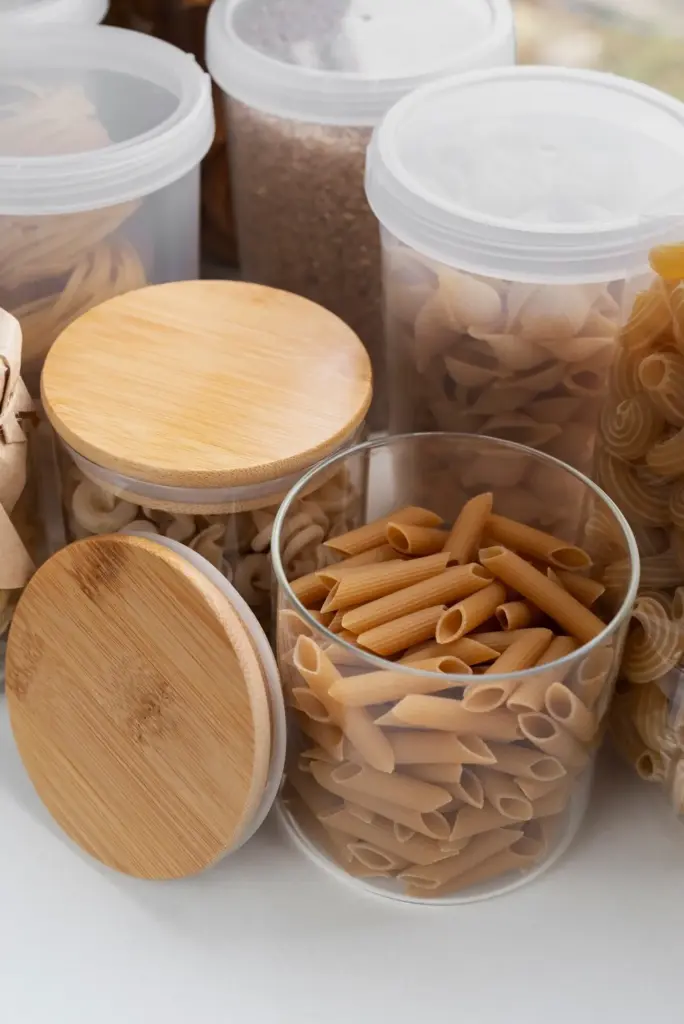
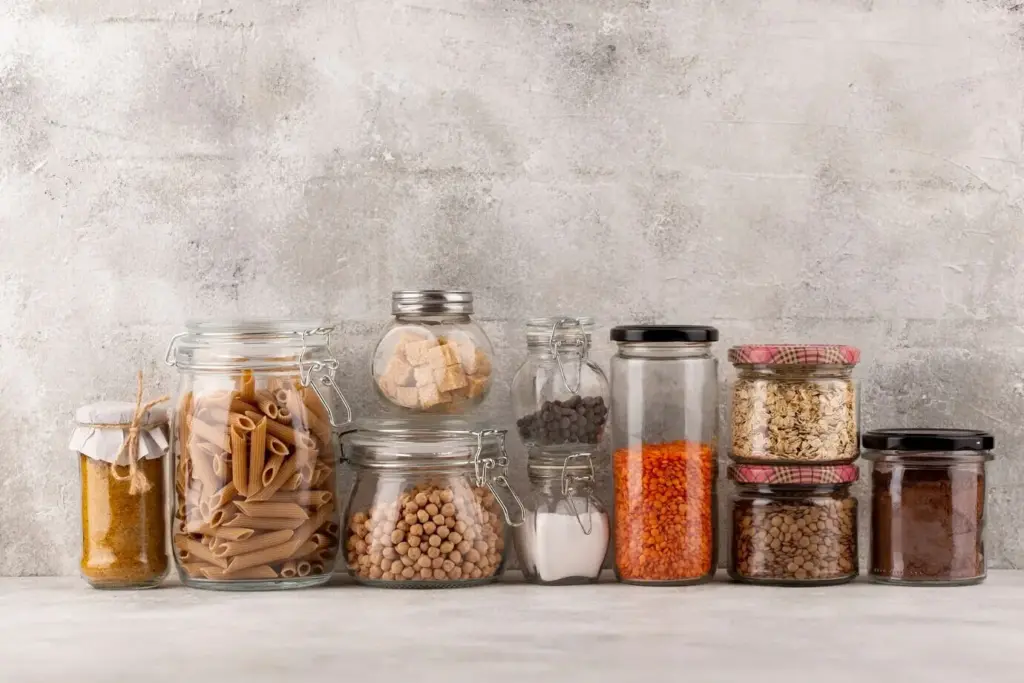
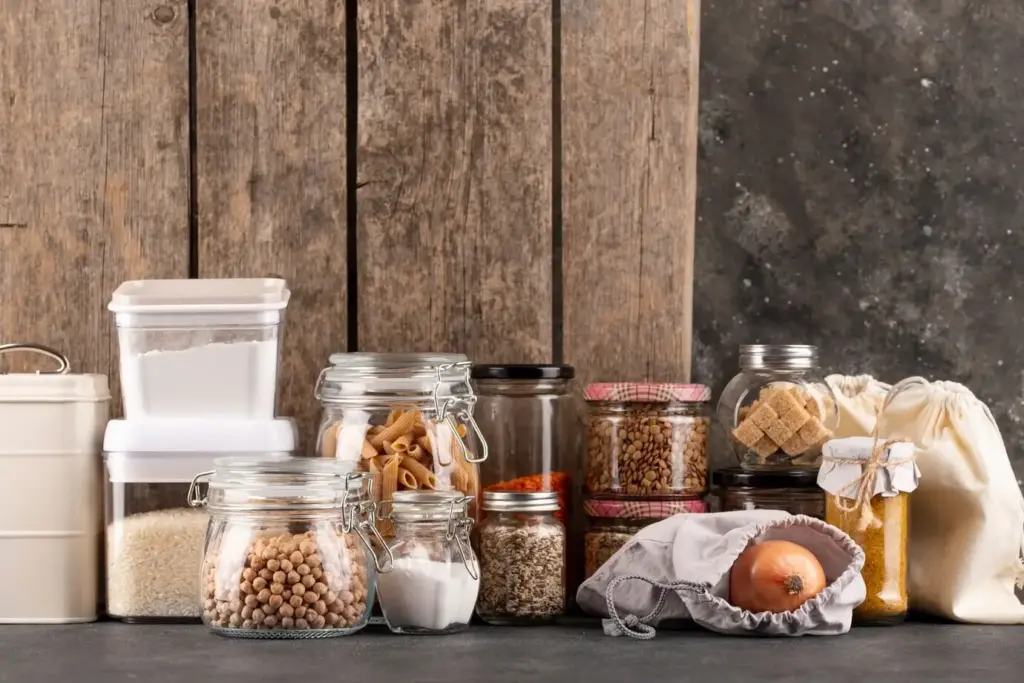
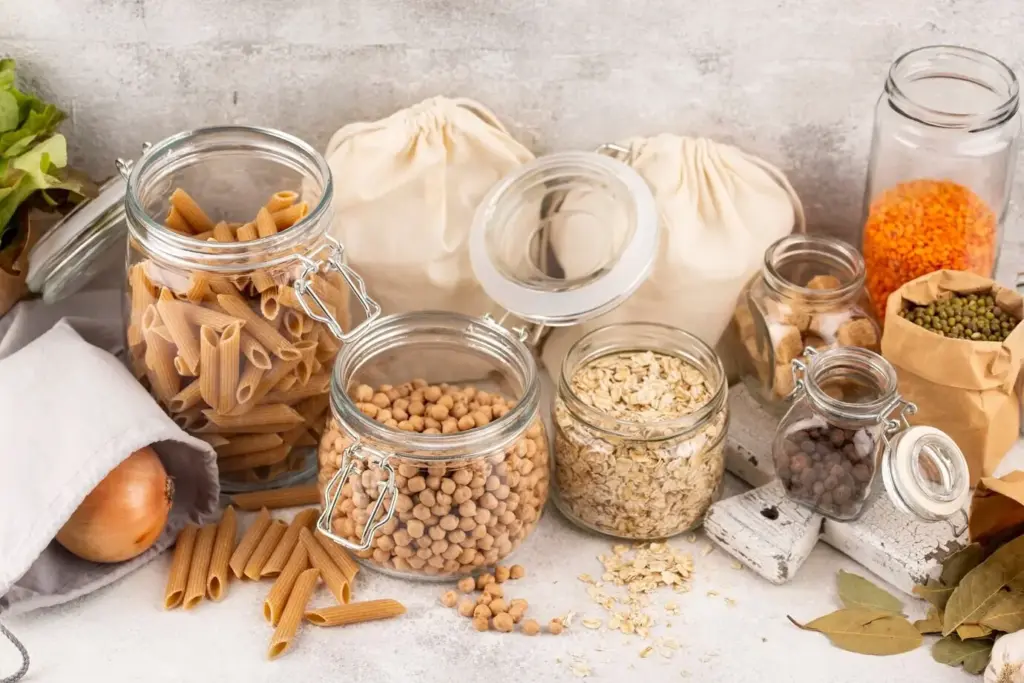
Reusable containers are your quiet workhorses. Choose shapes that stack, lids that actually seal, and materials appropriate for light, oil, and acidity. Label clearly, date everything, and create zones by use. Great storage preserves texture, guards flavor, and makes the no-waste path irresistibly convenient.

Sourcing Without Packaging

Co-ops and Buying Clubs That Welcome Refill Jars

Many co-ops and buying clubs will tare your jar, let you pre-order sack splits, and share calendars for seasonal staples like oats or lentils. Membership often includes education nights. Join, learn, then contribute feedback to strengthen fair prices and container-friendly policies for everyone.

Talk to Store Managers and Vendors

Managers can authorize tare systems, schedule restocks, and set aside your preferred items when delivery is tight. Start conversations respectfully, praise what works, and request small improvements. A friendly rapport often earns heads-up messages that prevent wasteful trips and support consistent, packaging-free refills.

Community Partnerships for Big Orders

Neighbors, workplaces, or parent groups can coordinate bulk sacks of rice, flour, or beans, then divide using shared scoops and scales. Agree on storage responsibilities and containers in advance. Collective ordering unlocks discounts, reduces transportation emissions, and builds a supportive, waste-aware food community.

Numbers That Guide Every Scoop

Keep It Safe, Fresh, and Delicious

Bulk staples deserve the same care you’d give fresh produce. Understand shelf life, temperatures, and oxygen exposure. Store oils and nuts cool, rotate grains, and respect the limits of ground flours. Simple rituals safeguard nutrition, prevent off-flavors, and keep your pantry reliably delicious and safe.

Rotation Rituals That Actually Stick

First in, first out works only if containers show dates and are placed by priority. Keep a visible “use soon” shelf. Schedule quick weekly checks, like brushing teeth for your pantry. Small, consistent actions prevent stale surprises and eliminate heroic, last-minute rescue cooking.

Preservation Boosters for Bulk Staples

Oxygen absorbers, desiccant packs, and vacuum sealing can extend life for certain ingredients, especially whole grains or dried fruits. Learn which foods benefit and which suffer. Combine with cool, dark storage. These simple tools multiply the value of bulk purchases without increasing packaging waste.

When to Freeze, When to Jar

Freeze nuts, whole-grain flours, and yeast when buying large amounts, but keep beans, rice, and salt happily at room temperature in sealed jars. Portion before freezing to avoid thaw-refreeze cycles. Thoughtful choices preserve flavor, save effort, and keep weekly cooking fast and rewarding.

Cook Everything, Celebrate Nothing Wasted

Turning staple surpluses into irresistible meals closes the loop. Build flavorful bases from simple ingredients, embrace textures, and reinvent leftovers creatively. Share your wins with friends or neighbors. Celebrating full use of every purchase makes waste-free living feel joyful, generous, and sustainable long-term.

Flavor Bases from Bean Broth and Grain Rinses

Simmer bean broth, grain cooking water, and vegetable odds into concentrated flavor foundations. Freeze in portions for quick soups and sauces. This habit extracts value from what many discard, adds body without packaging, and makes humble staples taste like comfort and care.

Creative Uses for Stale or Broken Staples

Crouton stale bread, toast tired oats into granola, and pulse broken crackers into crunchy coatings. Blend wrinkled apples into sauce, or steep citrus peels for fragrant syrups. These playful transformations reduce waste, refresh palates, and create confidence that nothing useful must be discarded.

Batch Cooking That Protects Busy Weeks

Cook double when energy is already flowing, and portion into labeled jars or trays. Stash grain bases, beans, and sauces. Future you gains time while ingredients stay in rotation. Share extras to spark conversations and swap ideas that strengthen community and reduce packaging needs.
Fafaperamivi
Privacy Overview

This website uses cookies so that we can provide you with the best user experience possible. Cookie information is stored in your browser and performs functions such as recognising you when you return to our website and helping our team to understand which sections of the website you find most interesting and useful.