Build a Zero-Waste Grocery Basket That Truly Works

Welcome! Today we focus on building your Zero-Waste Grocery Basket—practical choices, simple habits, and joyful rituals that cut trash at the source. You’ll learn how to plan, pack reusables, shop bulk confidently, and store food smartly so every purchase supports your values, budget, and community. Expect honest tips, small wins, and realistic workarounds for tricky store policies, while keeping flavor, nutrition, and convenience happily intact.

Mindset and Planning for Waste-Free Shopping

Sustainable shopping begins before you leave home. A clear plan, a simple checklist, and a flexible attitude reduce decision fatigue and prevent last‑minute plastic. We’ll outline how to anticipate portions, compare packaging footprints, and gracefully navigate unfamiliar bulk sections. Expect practical scripts for friendly conversations with store staff, plus ways to align your grocery choices with weekly routines, budgets, and nutrition goals while celebrating steady progress rather than chasing perfection.

Define Your Reusable Kit

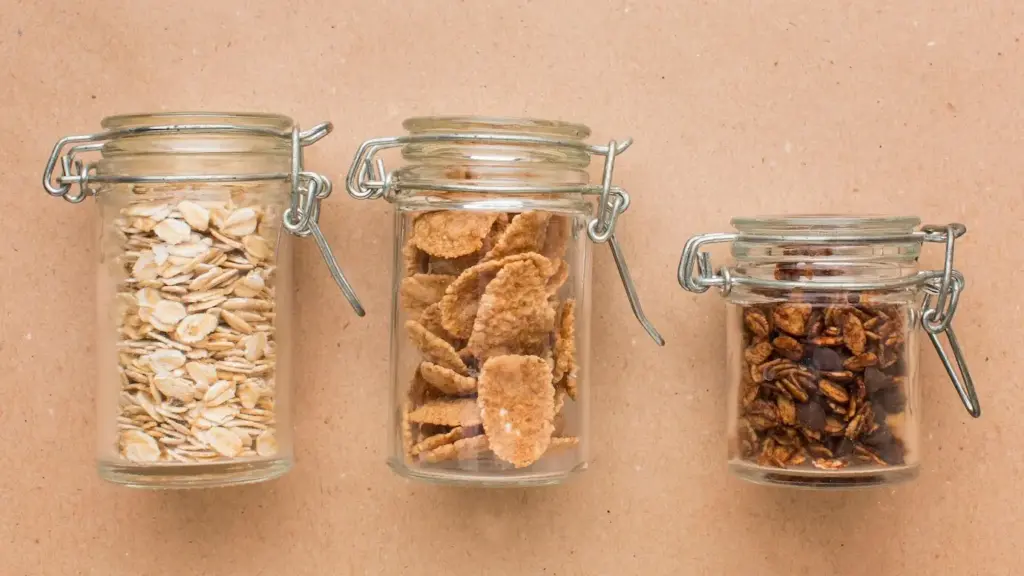
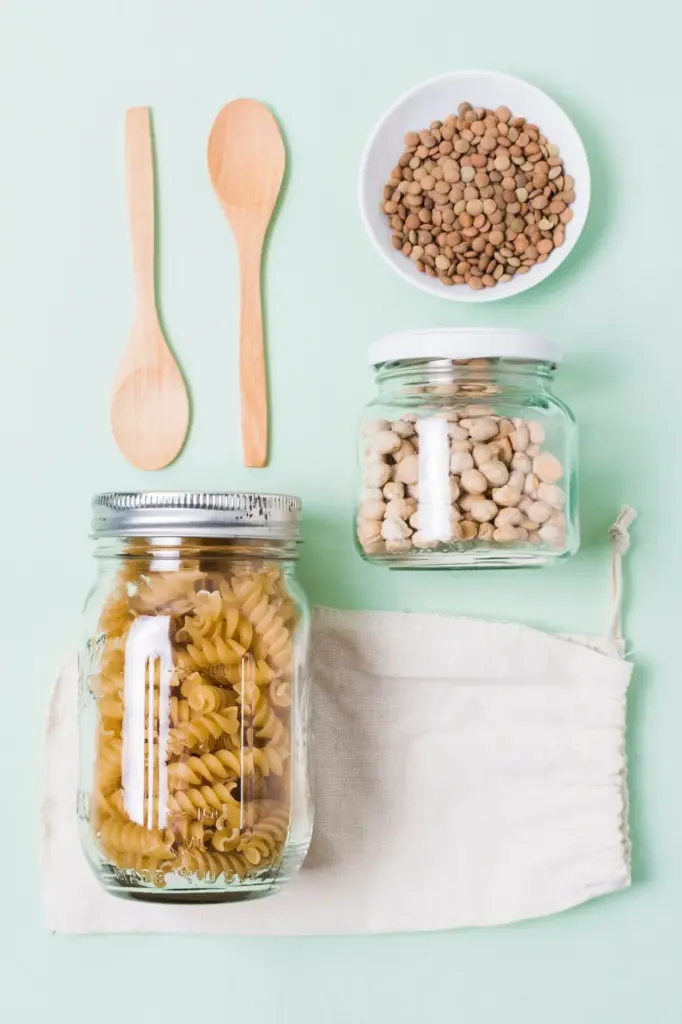
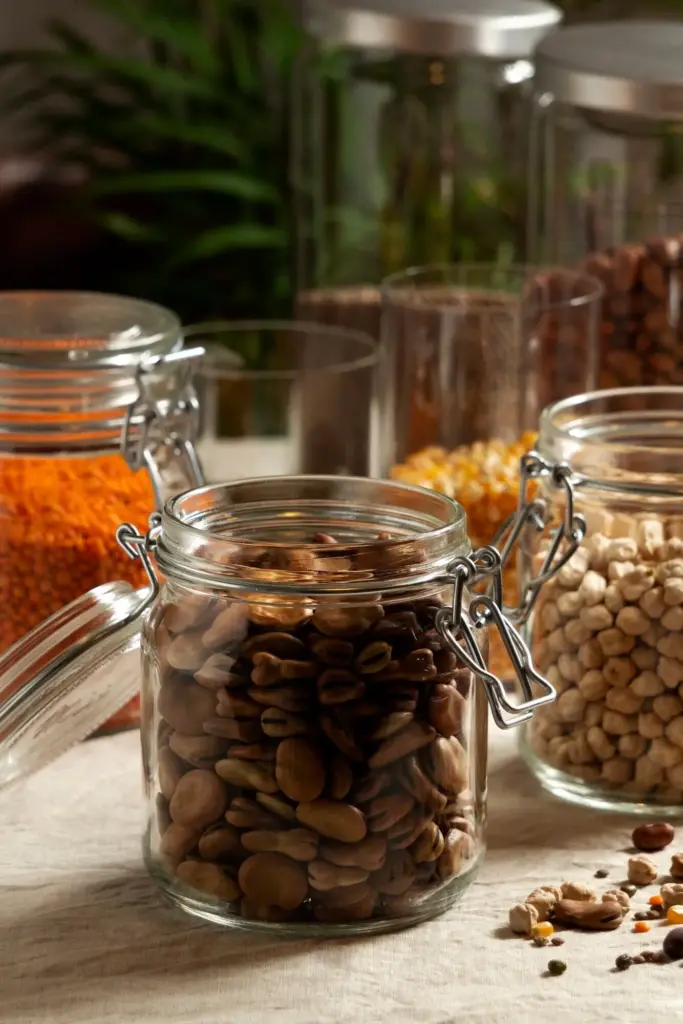
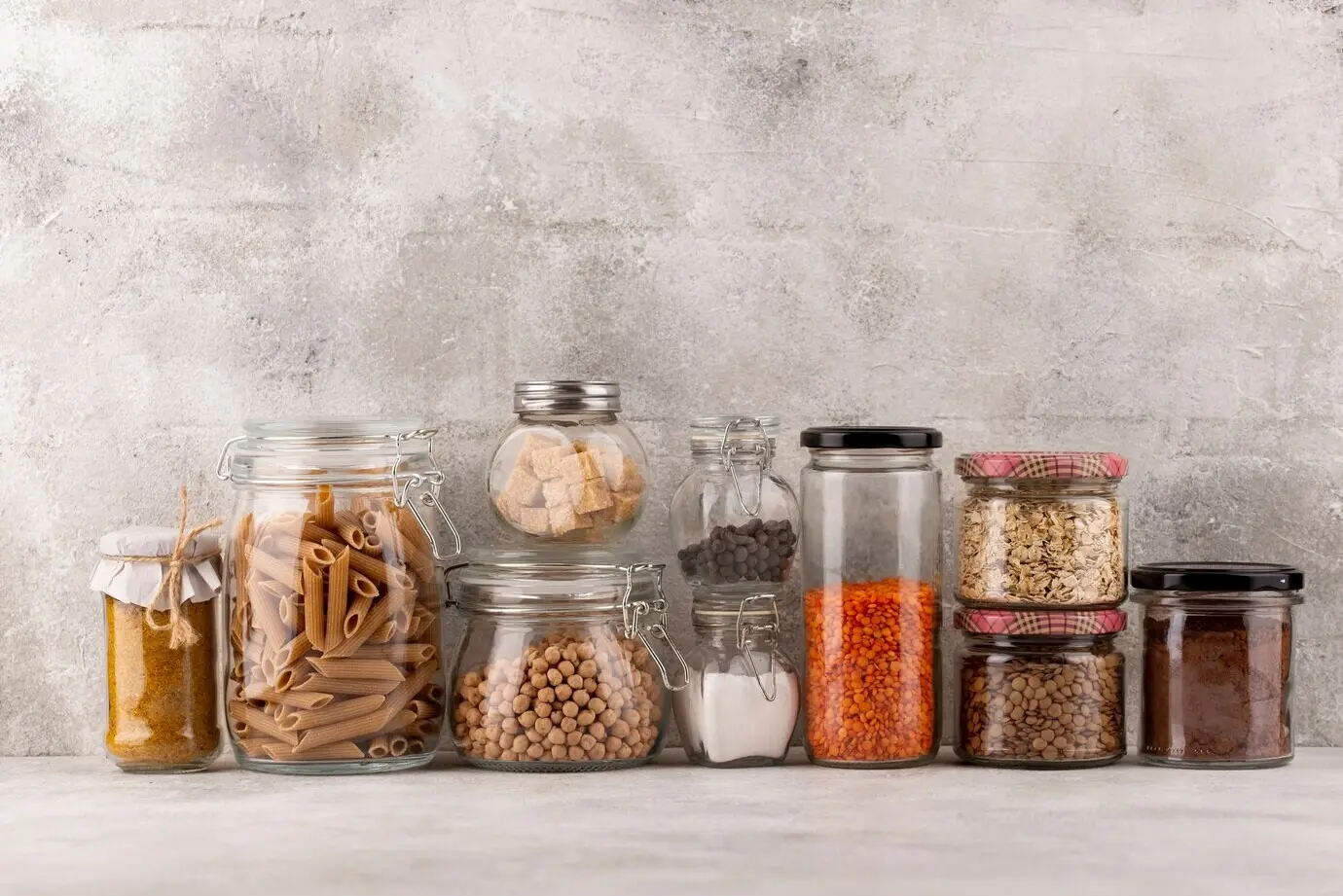
Start with a lightweight kit that fits your habits: produce bags, a few jars, silicone pouches, a collapsible box, and one sturdy tote. Pick containers you actually enjoy using, label common sizes, and keep everything by the door. Simplicity encourages consistency, and consistency keeps waste low without adding stress, clutter, or extra errands to an already busy week.
Map Bulk and Package-Free Stores

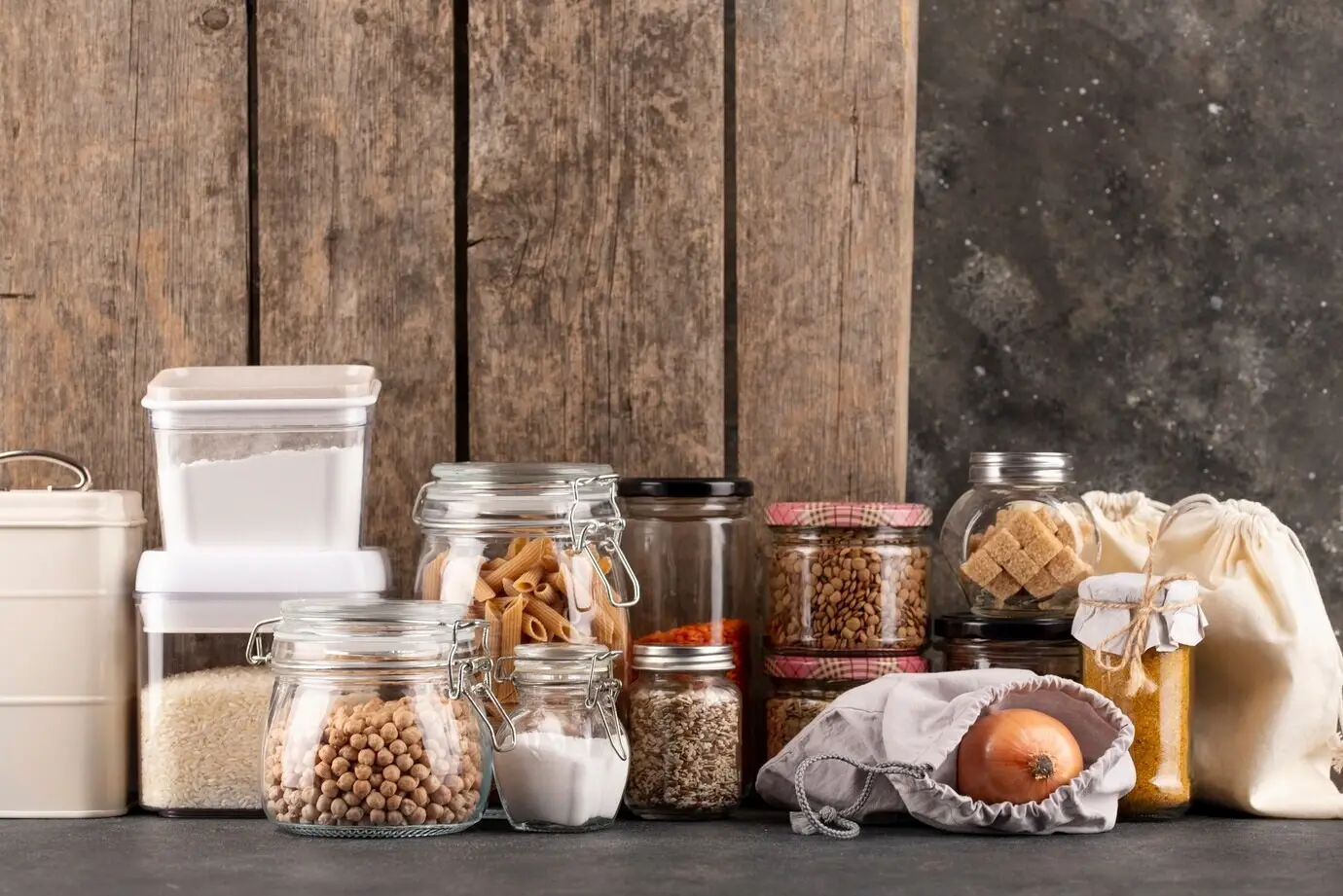
Research nearby options and note which items each store excels at, from grains and spices to oils and nut butters. Call ahead to confirm tare policies and container materials allowed. Create a quick reference map on your phone with hours, bin numbers, and refill stations. This small preparation step transforms errands into a confident routine that saves packaging, time, money, and unnecessary compromises.
Budgeting Without the Trash

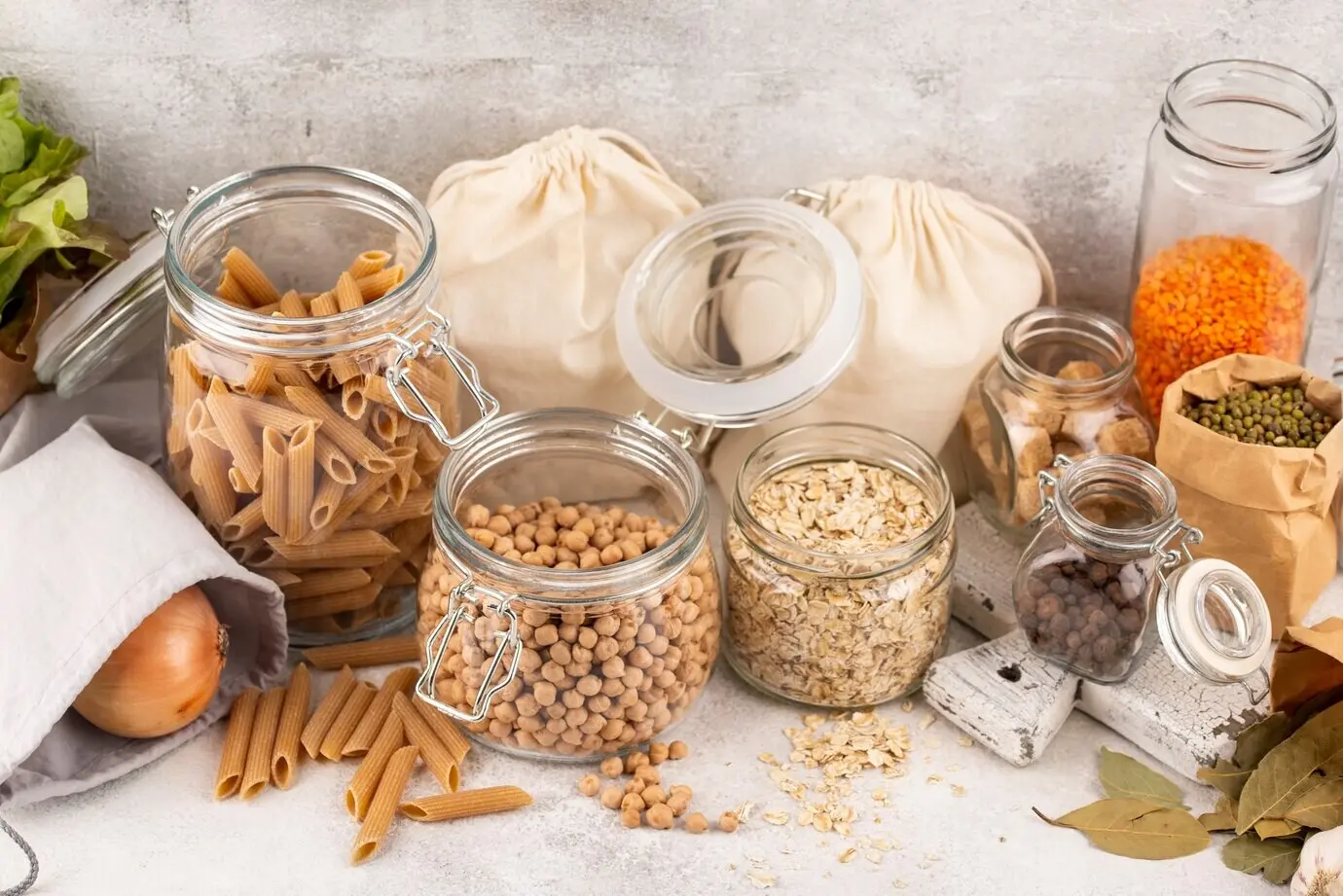
Zero-waste practices often lower costs by minimizing impulse snacks and paying only for ingredients, not packaging. Use a repeating meal plan, track unit prices, and calculate staples per serving. Allocate a small buffer for experiments, like bulk spices or new grains. With visibility into spending, you’ll shop intentionally, reduce wasteful duplicates, and still enjoy variety, convenience, and delicious comfort foods that fit your lifestyle.
Smart Packaging Alternatives

Choosing Ingredients with Minimal Footprint

Staples That Shine in Bulk

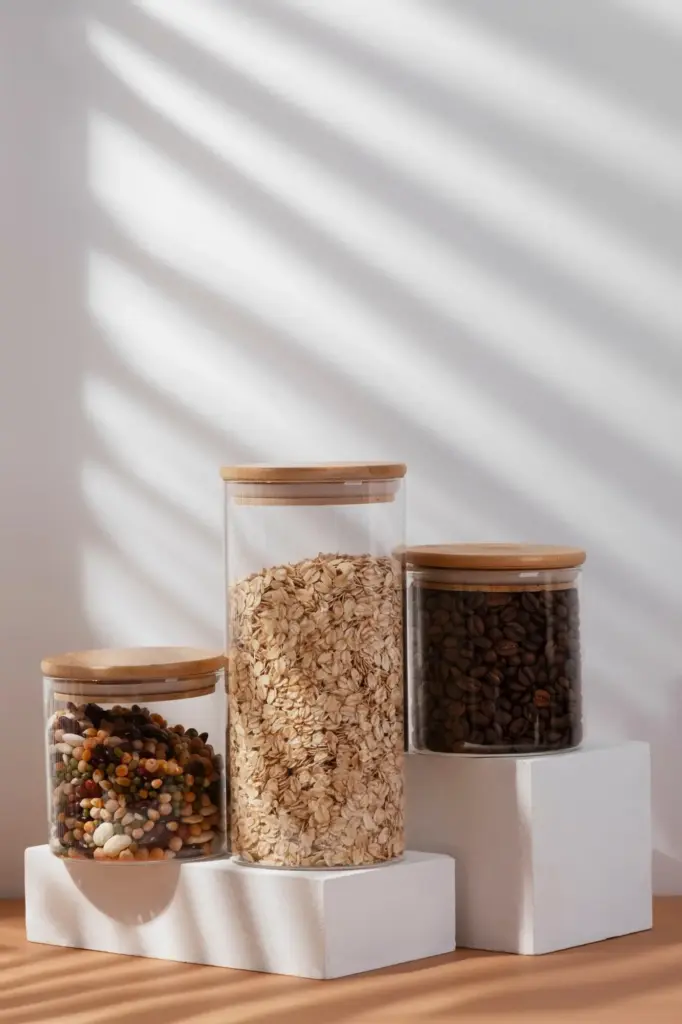
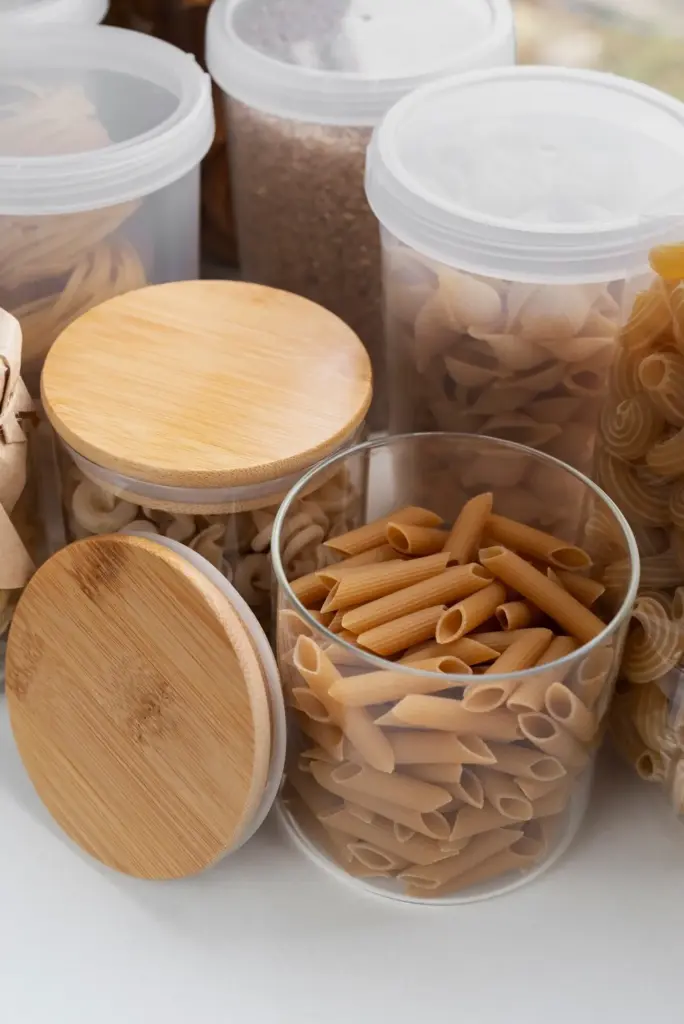
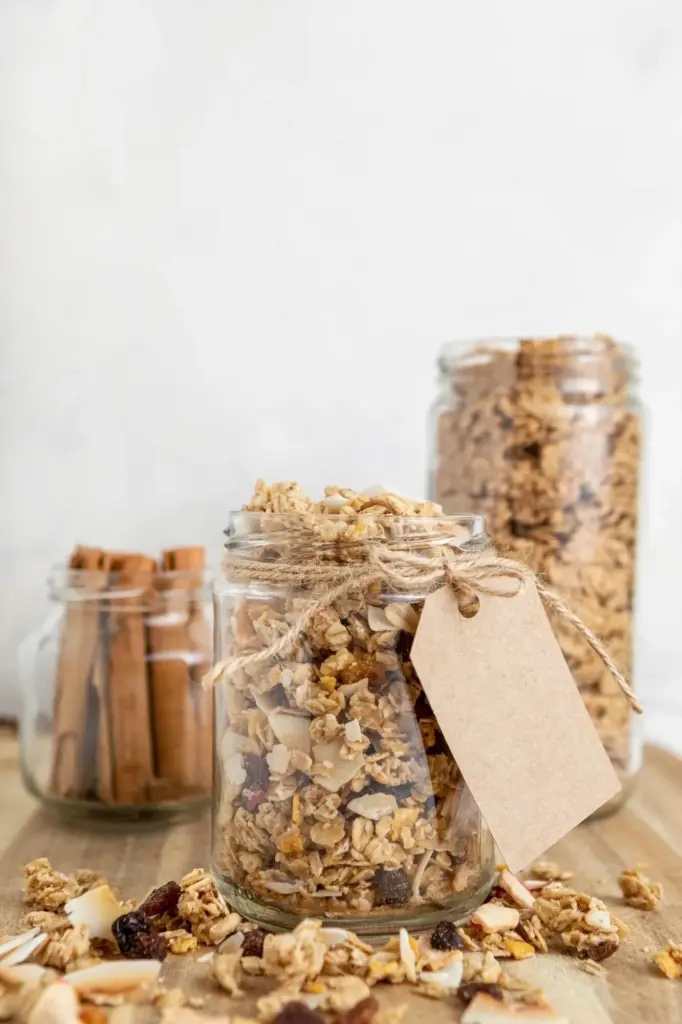
Build around grains, beans, nuts, and seeds that store well and power countless meals. Oats transform into breakfast, crumb toppings, and savory burgers. Lentils cook quickly, supporting salads, stews, and spreads. Buy only what you’ll use within a few months to guarantee freshness. Rotate jars, label purchase dates, and embrace a pantry that stays dynamic, useful, aromatic, and gloriously free from tired, forgotten packages.

Seasonal and Local Strategy

Prioritize produce at peak flavor from nearby growers, ideally collected in returnable crates or loose displays. Seasonal shopping slashes packaging, boosts nutrient density, and broadens your cooking repertoire. Ask farmers about storage tips, blemished discounts, and reusable container acceptance. Celebrate imperfect beauties, batch‑prep sauces, and freeze extras in reusable pouches. You support soil health, regional economies, and meals that tell a delicious, grounded, place‑based story every week.

Protein with Less Packaging

Seek butcher counters that tare your containers for meat, tofu, or tempeh. For beans and lentils, bulk is usually simple and affordable. Eggs can come in returnable cartons or carried in a protective tin. Consider mussels or clams sold loose, which often arrive net‑free. Prioritize quality over quantity, plan portions, and store thoughtfully. With respectful requests and clear labeling, you’ll reduce plastic without compromising safety, taste, or nutrition.

Food Safety and Hygiene Without Disposables

Clean, well‑maintained reusables are the backbone of confident, low‑waste shopping. We’ll walk through sanitation routines, storage temperatures, and clear separation between raw and ready‑to‑eat items. Expect simple checklists, drying systems, and container rotation strategies. This approach protects health while honoring store policies, making it easy to show staff your care and preparedness. Safety becomes second nature, and your basket stays tidy, reliable, and delightfully worry‑free.

Cleanliness Protocol for Reusables

Rinse immediately after use, wash with hot soapy water, and air dry completely before sealing. Assign raw‑only containers to prevent cross‑use. Inspect silicone gaskets and replace when worn. Keep a compact microfiber towel for quick wipe‑downs. A weekly deep clean and sun‑drying session refreshes stubborn jars. Document your routine if helpful, and share it with family so everyone understands care, safety, and shared responsibility.

Handling Meat, Dairy, and Wet Goods

Designate leakproof containers and transport in a separate tote to avoid contact with produce. Label purchase dates and plan quick consumption. Keep a cooler bag in warm weather and wipe lids before opening at home. When stores decline customer containers, request paper over plastic or choose products in recyclable glass. Thoughtful handling protects freshness, avoids spills, and shows staff you value hygiene as much as waste reduction.

Cooking, Prepping, and Using It All

The most sustainable basket is the one you cook through completely. We’ll transform peels, stems, and heels into flavor, from broth bricks to herb salts. Learn batch strategies that fit weeknights, plus quick sauces that rescue leftovers. Short, dependable recipes keep momentum, while playful experiments spark creativity. Share your wins with our community, ask questions, and subscribe for new ideas that protect your budget, palate, and planet.

Tracking Progress and Inspiring Others

Measurement fuels motivation. We’ll help you audit your trash and recycling, tally avoided packaging, and celebrate tangible wins like fewer bins at the curb. Expect templates for monthly reviews, reflection prompts for tricky moments, and ideas for neighborly swaps. By sharing results kindly—online or in person—you normalize reuse, encourage store improvements, and build a supportive circle that makes consistent, low‑waste living feel achievable and fun.
Fafaperamivi
Privacy Overview

This website uses cookies so that we can provide you with the best user experience possible. Cookie information is stored in your browser and performs functions such as recognising you when you return to our website and helping our team to understand which sections of the website you find most interesting and useful.