Cook With the Seasons, Waste Less, Savor More

Today we dive into seasonal meal plans that minimize food and packaging waste, turning abundance into flavor and leftovers into opportunities. Expect practical shopping strategies, flexible recipes, storage wisdom, and low-waste habits that save money, respect farmers’ work, and lighten your bin while brightening your plate.

Start With the Market, Not the Recipe

Reading the Seasons

Notice which stalls overflow, which prices drop, and which scents travel farther than a polite breeze. Abundance signals peak, meaning better taste and longevity at home. Learn simple calendars for your region, yet trust your eyes and farmers’ advice more than charts because storms, heat, and soil can shift schedules.

Flexible Frameworks

Build meals as adaptable templates: grain bowls, hearty salads, frittatas, soups, and tacos. Swap in what is fresh without chasing exact ingredients. A base of pantry staples supports variations, so you avoid last‑minute packaged fixes and keep using what you already have before it wilts.

Shop the Perimeter, Bring Your Containers

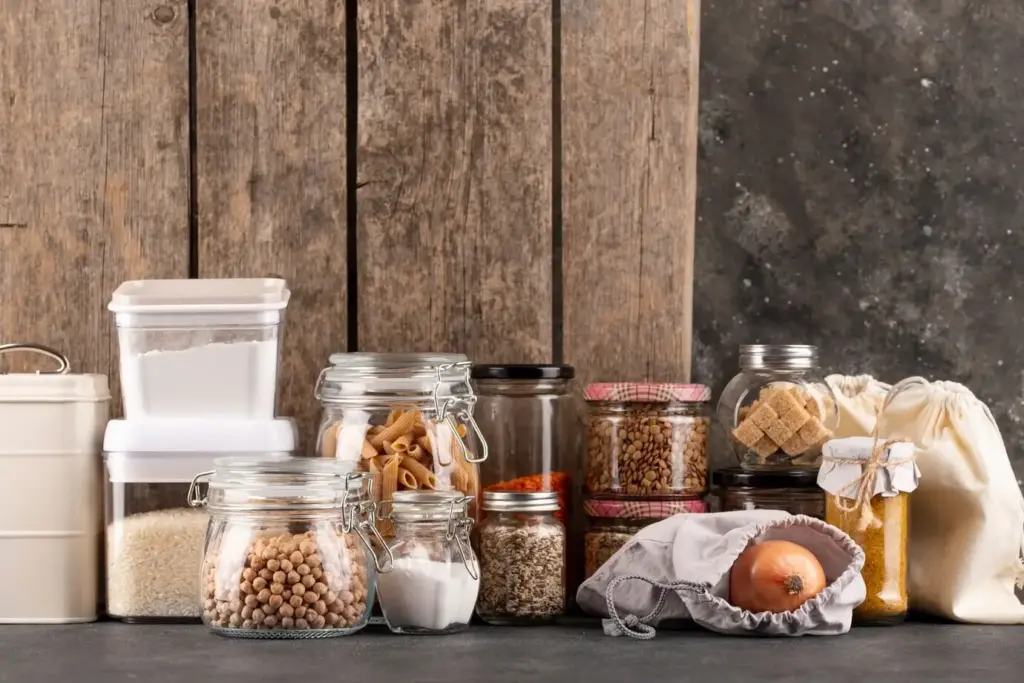
Focus on produce, bakery, and deli counters that allow refills or paper wrap. Bring mesh bags, jars, and clean tins for bulk, olives, and cheeses. Ask politely; many markets welcome reusables. You’ll cut plastic, buy just enough, and see your bin shrink each week.

Smart Portions and Leftover Alchemy

{{SECTION_SUBTITLE}}
Cook Once, Eat Thrice
Roast a tray of seasonal vegetables and a pot of grains on Sunday. Fold portions into a zesty salad, a comforting soup, and stuffed wraps. Vary dressings and herbs, and everything tastes different. This rhythm adds efficiency, reduces packaging from emergency takeout, and builds confidence.

Plan-for-Leftovers Map

Write a simple map on your fridge: Monday roast chicken becomes Tuesday noodle bowls and Wednesday tacos; roasted squash morphs into Thursday hummus and Friday fritters. By assigning destinations, you protect food from neglect and avoid duplicate purchases that lead to cluttered shelves and waste.

Storage That Extends Freshness

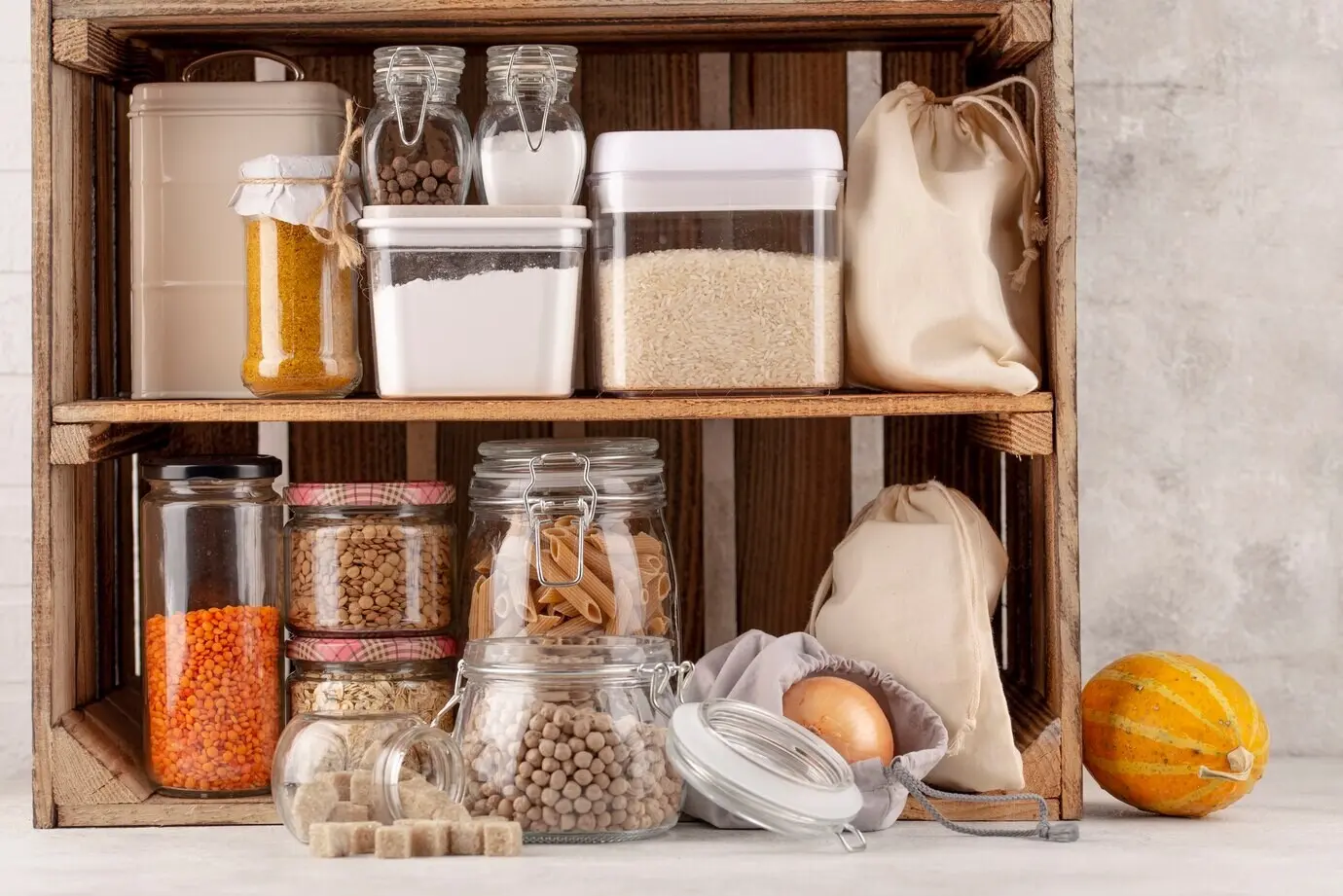
Freshness extends when you pair the right storage with the right ingredient. Manage humidity, airflow, and light to slow deterioration. Use transparent containers to see what you have, label with dates, and set reminders so nothing slips behind a jar and silently disappears.

The Crisp Drawer Strategy

Know your drawers: high‑humidity suits leafy greens and herbs; low‑humidity keeps apples and pears snappy. Separate ethylene producers like bananas from delicate items. A weekly five‑minute shuffle prevents soggy corners and ensures older produce sits up front where you’ll gladly reach first.

Glass, Silicone, and Beeswax

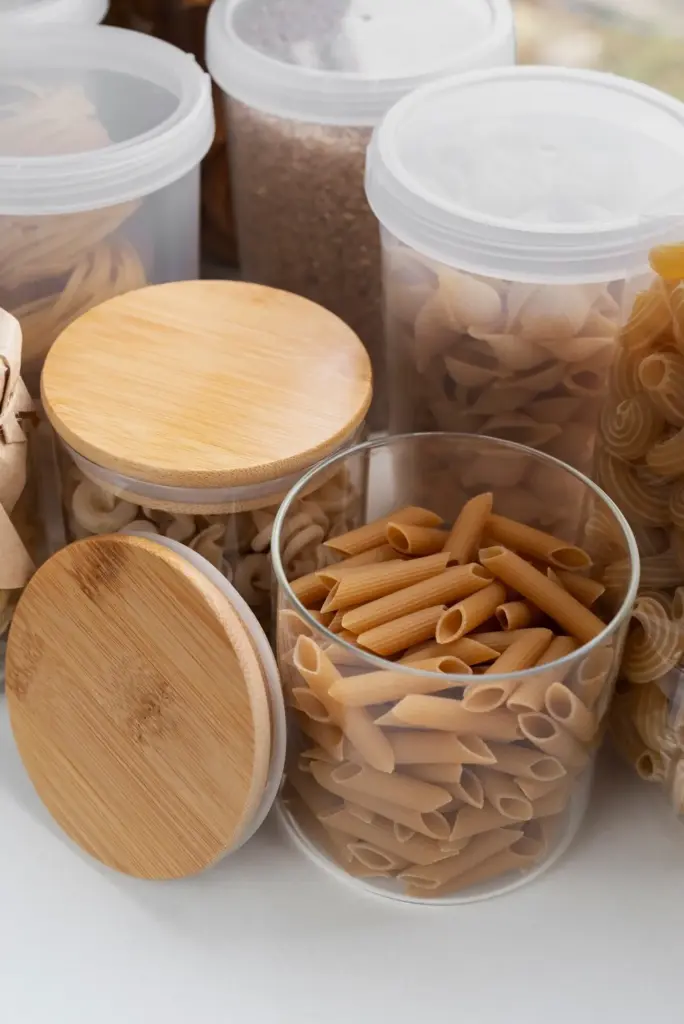
Choose durable containers that preserve aroma without shedding microplastics. Glass jars, silicone pouches, and beeswax wraps protect cut produce, leftover cheese, and breads while avoiding disposable cling films. Wash and reuse easily. Over months, the savings and bin space reclaimed become surprisingly visible and motivating.

Freeze Like a Pro

Blanch greens before freezing to lock color and nutrients. Spread berries and chopped herbs on trays, freeze, then bag flat for stackable portions. Label with dates and amounts. This practice curbs last‑minute spoilage and gives you instant building blocks for fast seasonal meals.

Minimal-Packaging Pantry

Bulk Staples Rotation

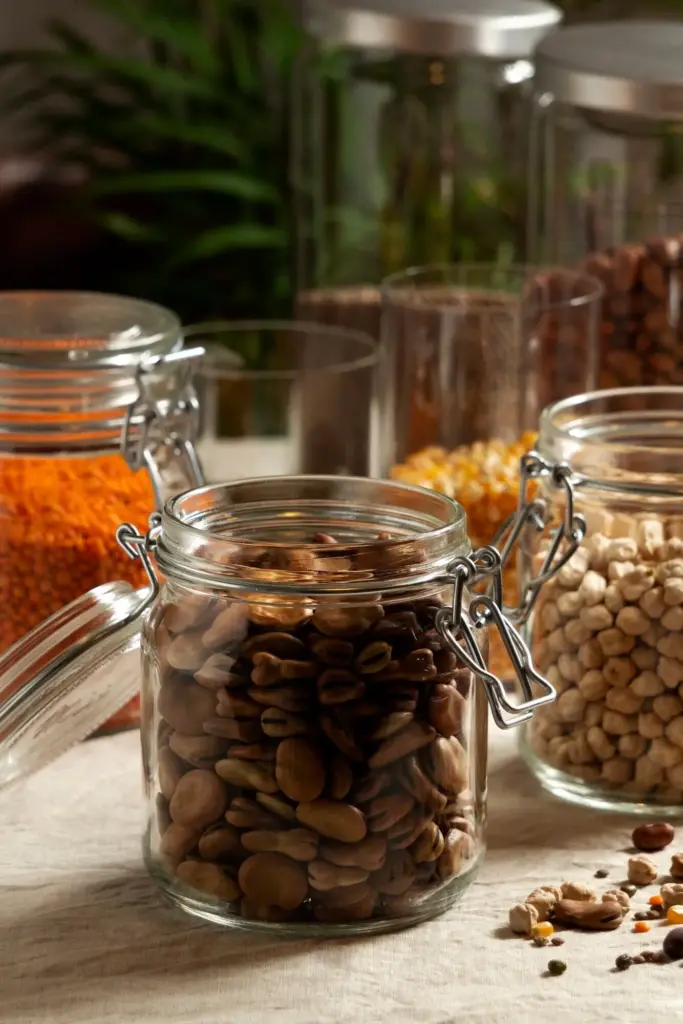
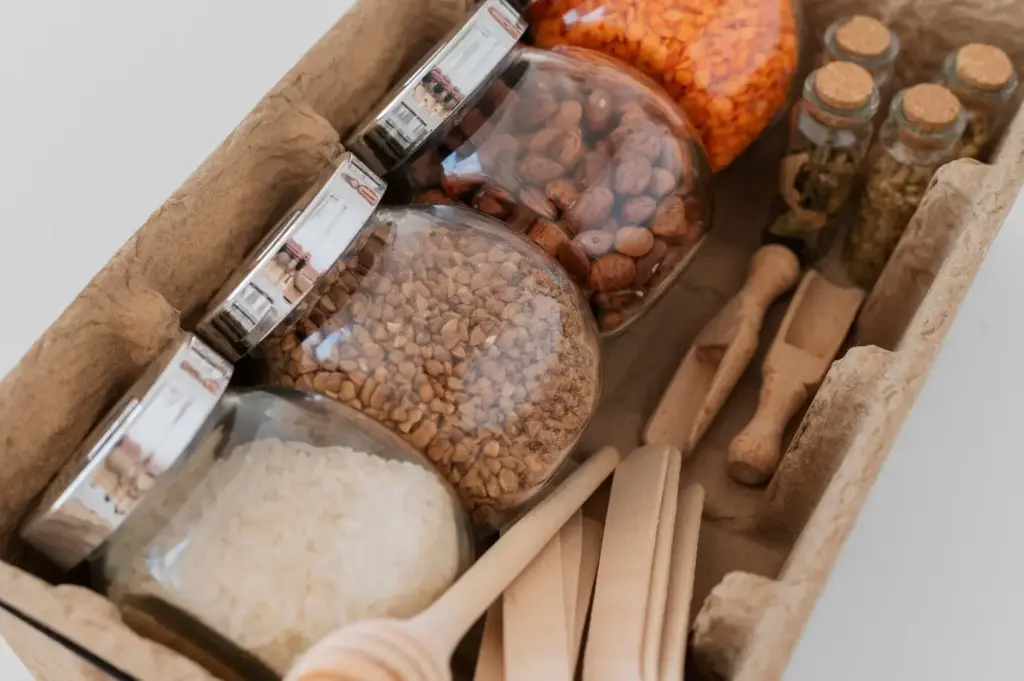
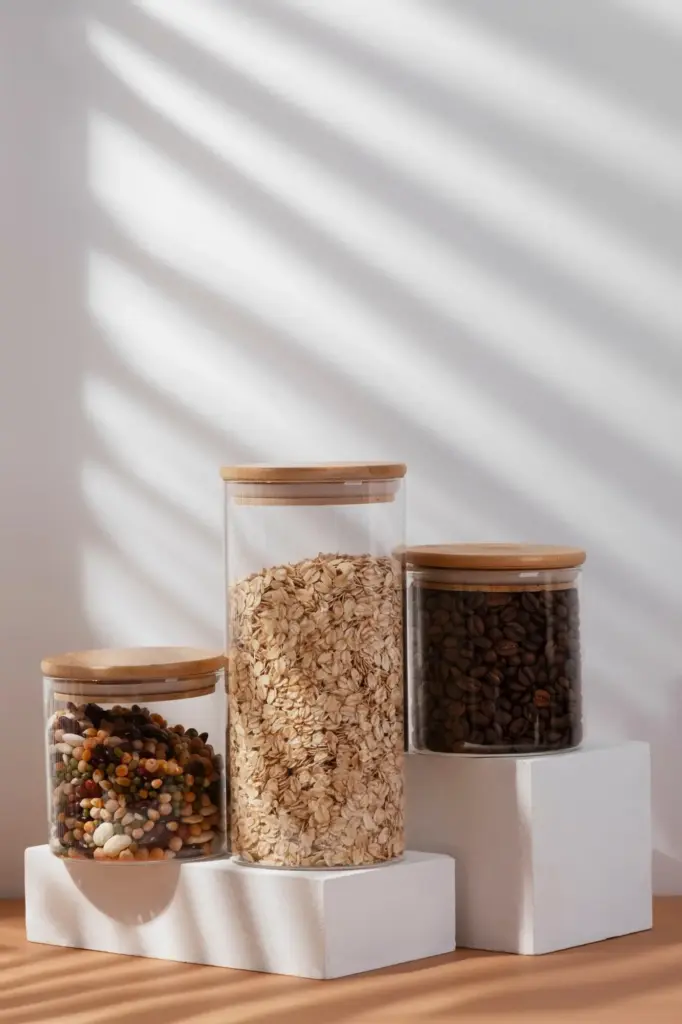
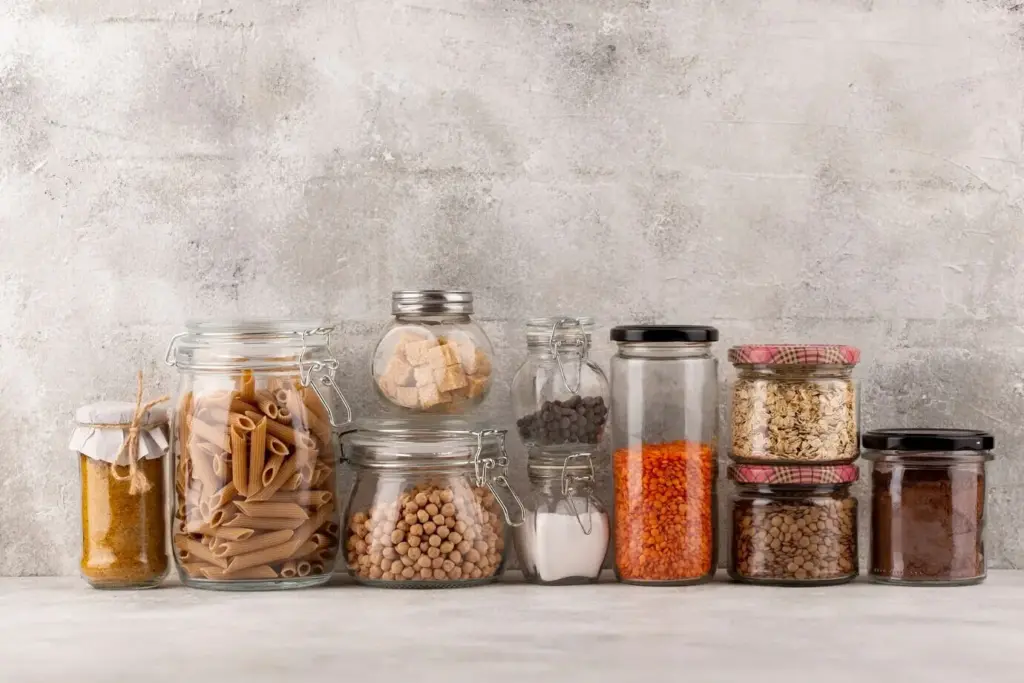
Keep a short rotation list on the inside cupboard door. When oats, rice, or lentils drop below a half‑jar, note it, then refill with your jars at the market. This rhythm avoids duplicate bags, maintains freshness, and strengthens habits that shrink packaging dramatically.

DIY Staples That Replace Single-Use

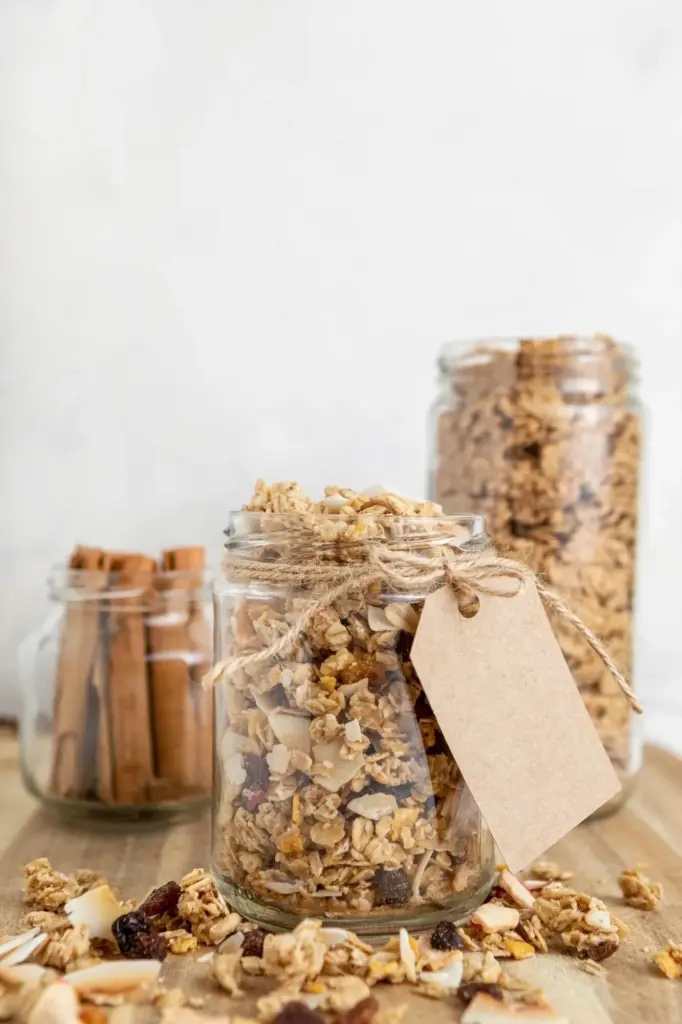
Simmer vegetable stock from saved trimmings, whisk quick vinaigrettes in a jar, and bake granola on one tray. These easy staples sidestep plastic tubs and pouches, taste brighter, and adapt to the seasons effortlessly, supporting your plan without extra shopping or clutter.

Choose Concentrates and Refills

Where bulk is unavailable, pick concentrated products in recyclable formats, like tomato paste in glass or cleaning tabs that dissolve. Refill oils and vinegars at local shops. Buying fewer, smarter containers lowers environmental impact and frees space for produce that actually gets eaten.

Composting and Circular Habits

Even the most careful cook generates peels, cores, and bones. Treat them as resources, not failures. Extract flavor first, then return nutrients to the soil through compost. This circular mindset closes loops, reduces methane from landfills, and deepens your connection to the food cycle.

Cook With the Whole Plant

Chop chard stems into sautés, roast broccoli stalks into fries, and blitz carrot tops with nuts for a punchy pesto. Citrus peels perfume cleaning vinegar. These habits multiply value, stretch budgets, and honor harvests while easing pressure on your compost bucket.

Scrap-to-Stock Ritual

Keep a labeled freezer bag for clean onion skins, leek greens, mushroom stems, and parsley stalks. When full, simmer with peppercorns and bay leaves. The resulting stock anchors soups and sauces, captures nutrition, and gracefully diverts trimmings from the trash altogether.

Home, Community, or Drop-Off

Choose a compost path that fits your space. A small worm bin thrives indoors; a tumbler suits patios; municipal green bins or farmers’ market drop‑offs serve apartments. Consistent participation reduces guilt, teaches patience, and visibly shrinks the garbage bag each week.

Seasonal Menus: A Four-Week Sample

Week in Spring: Tender, Quick, Bright

Build around asparagus risotto and lemony beans. Leftover risotto becomes arancini baked on a sheet; beans enrich a green pasta and a smashed toast with radishes. Strawberry tops infuse water, herb stems fill omelets, and a light broth ties stray vegetables into a comforting supper.

Week in Summer: Abundance Management

Anchor meals with a roasted tomato base and grilled zucchini. Sauce half the tomatoes for pasta and shakshuka; slow‑dry the rest for sandwiches. Zucchini slices reappear in tacos and savory oats. Frozen herb cubes rescue heat‑weary greens and add snap to quick skillet dinners.

Week in Winter: Cozy and Efficient

Start with a big pot of root vegetable stew and a tray of roasted cabbage wedges. Turn stew into hand pies, thicken leftovers into a shepherd’s pie, and stir cabbage into noodles. Citrus peels candy for treats, and bones become a restorative, simmered stock.

Measure, Share, and Celebrate Progress
Progress grows when you can see it. Track reduced trash, lower grocery spend, and time saved by cooking once for many meals. Globally, around one‑third of food is lost or wasted; small weekly shifts add up. Share wins and misses with friends, neighbors, and us. Your experiences help refine the approach and inspire others to start today.
Fafaperamivi
Privacy Overview

This website uses cookies so that we can provide you with the best user experience possible. Cookie information is stored in your browser and performs functions such as recognising you when you return to our website and helping our team to understand which sections of the website you find most interesting and useful.