
Pack Smarter: Your Reusable Grocery Trip Toolkit

Today we dive into the Reusable Packaging Toolkit for Supermarket Trips, built to make shopping lighter on your budget and the planet without sacrificing convenience or food safety. Expect store-tested tips, durable gear suggestions, polite checkout scripts, and simple routines that turn good intentions into repeatable habits. By the end, you will know exactly what to carry, how to pack, and how to keep everything clean, labeled, and ready for the next run.

Plan Before You Roll the Cart

A calm, organized start makes every errand easier. A few minutes of planning prevents overpacking, forgotten containers, and awkward moments at the counter. We will match containers to meals, consider store policies, and set a practical routine that fits your schedule, commute, and appetite without adding mental load or clutter to your kitchen.

Assemble the Core Kit

An effective kit is intentionally minimal, durable, and tailored to your favorite foods. We will choose materials that clean easily, stack well, and resist odors. With just a few bags, jars, labels, and a folding crate, you can handle produce, bulk goods, pastries, deli items, and drinks while keeping checkout swift and friendly.

Hygiene and Food Safety Without the Fuss

Cleanliness should be easy enough that you actually do it every time. We will rely on simple routines, quick-dry materials, and color codes to prevent cross-contamination. With clear rules for raw proteins, deli items, and baked goods, your kit remains trustworthy, staff feel comfortable, and your groceries arrive home safe and delicious.

Tare Weights without Awkwardness

Place tare cards or jar weights on top of each container when you reach the counter. Offer a quick, cheerful explanation, then step back so the clerk has space. This respectful rhythm keeps the line moving and reassures everyone. Familiarity grows rapidly, and next time your face will signal an easy, predictable interaction.

Bulk Bins like a Pro

Pre-label jars at home with the product codes written lightly in pencil or on tape. In-store, fill carefully to leave space for pouring, then secure lids tightly before placing into your bag. Keep a small cloth handy for accidental spills. Your calm method prevents bottlenecks, keeps bins tidy, and earns appreciative nods from staff.

Friendly Scripts for Staff and Shoppers

A simple line works wonders: “These containers are clean and tare cards are on top; thank you for checking.” When someone asks about your setup, share one quick tip and invite them to try a single jar next time. Kindness spreads the habit farther than lectures ever could, making sustainable choices feel welcoming and normal.

Packing Physics: Protect, Balance, and Breathe

Good packing protects fragile items, preserves textures, and saves your back. We will layer heavy goods low and centered, isolate scented items, and keep leafy produce breathing. Structural thinking prevents bruising, cracked jars, and soggy crusts. Master these basics once, and every future trip feels calmer, lighter, and reliably kind to your groceries.

Weight Down, Fresh Up

Place grains, jars, and bottles at the base of a rigid tote, then add squash or citrus as a stable middle layer. Top with delicate produce and bread to avoid compression. Side pockets cradle herbs and green onions. This predictable structure reduces shifting during transit and keeps items intact through corners, curbs, and stairs.

Crisp Greens Stay Perky

Slip greens into a breathable produce bag with a slightly damp cloth tucked loosely inside. Avoid sealing them in airtight containers during the ride. At home, rinse, spin, and store with airflow in the crisper. These tiny moisture and ventilation cues maintain snap, color, and flavor long past the first hurried weekday dinner.

Fragile, Fizz, and the Egg Ballet

Eggs deserve their own firm-sided slot away from hard edges. Carbonated beverages stay upright and tight-packed to reduce jostling. Glass jars should never touch bare glass; nest them with towels or fabric wraps. A little choreography prevents cracks, leaks, and sticky cleanup, saving both your groceries and your patience every single time.

Care, Repair, and End-of-Life

Sustainability thrives when gear lasts. We will build routines for cleaning, inspecting, and fixing straps or zippers before small issues become failures. When items retire, we will channel them toward recycling or reuse groups. This lifecycle mindset keeps your toolkit dependable, beautiful, and genuinely low-waste all year without guilt or unnecessary replacements.

Soap, Sun, and Microfiber

Use mild soap, warm water, and a soft microfiber cloth to clean containers without scuffs. Sunlight helps dry and deodorize naturally, especially for glass and silicone. For stubborn smells, try a diluted vinegar rinse. Regular, gentle care preserves seals, prevents staining, and ensures every container returns to service clean, clear, and ready.

Fix a Strap, Save a Bag

A quick stitch, rivet repair, or carabiner swap can extend a favorite tote’s life by years. Keep a tiny repair kit with heavy thread, needles, and a spare buckle. This five-minute habit saves money, prevents waste, and keeps your system familiar, which is priceless for speed and confidence on busy shopping days.

Retire with Dignity

When a container can no longer handle food, refit it for screws, art supplies, or garden seeds. Donate clean, usable bags to community pantries or swap groups. Check local recycling for metal lids and glass bodies. Ending well honors the materials, teaches practical stewardship, and opens space for gear that truly serves.

Measure Impact and Savings
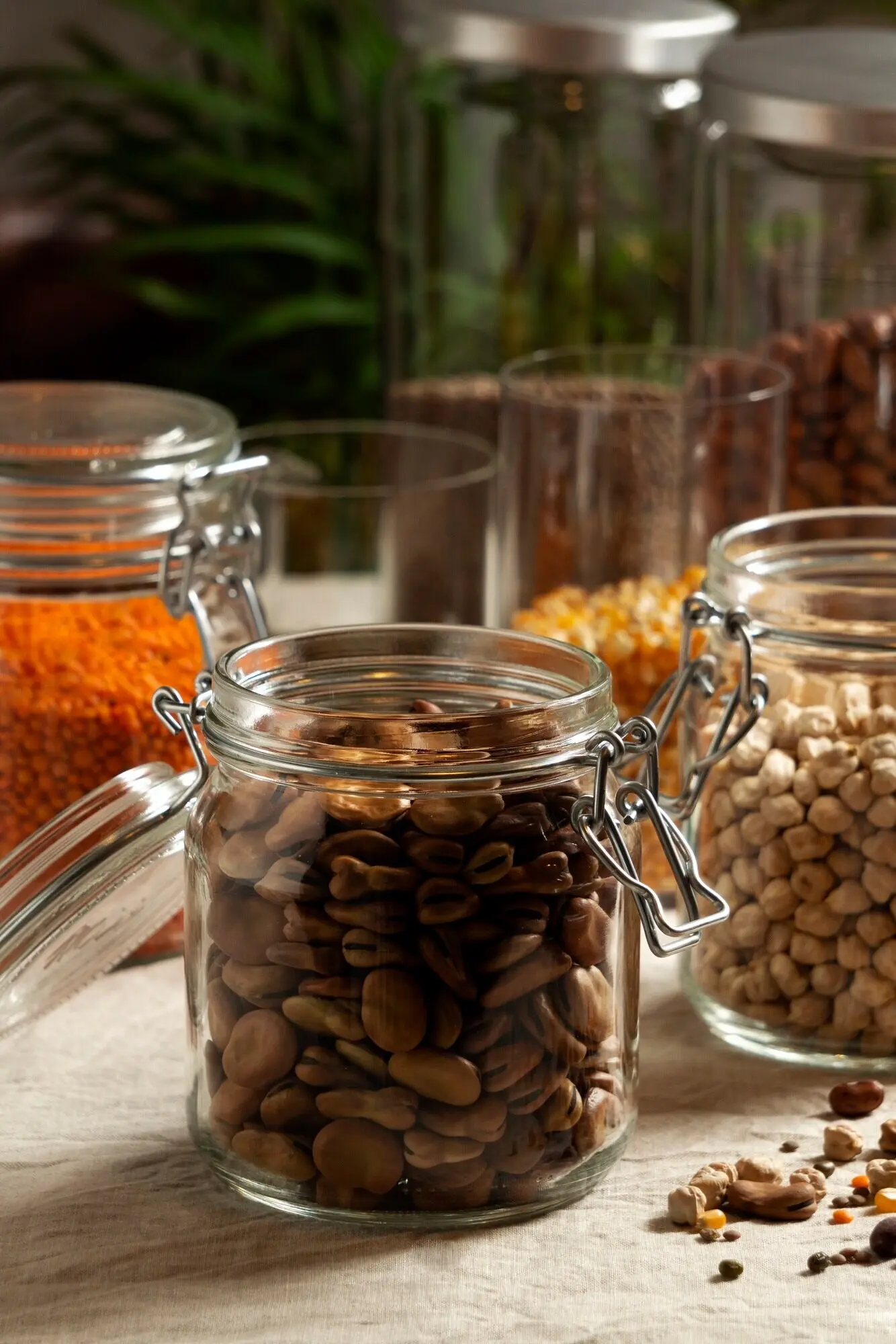
Tracking wins builds momentum. We will estimate plastics avoided, dollars saved, and food waste reduced using simple counters and photos. Celebrate small milestones and invite friends to join. Visible progress reinforces routines, unlocks creativity, and makes your handheld kit feel like a meaningful contribution to cleaner neighborhoods, healthier oceans, and calmer kitchens.
Keep a monthly snapshot of avoided disposables: tally bags, clamshells, and cups you did not take. Photograph your tidy containers on the counter after each trip. These visual records transform abstract intentions into concrete pride, reminding you that consistent, unglamorous action beats occasional grand gestures by a very wide margin.
Bulk goods often cost less, and reusing jars prevents paying for packaging. Track a few staples—rice, nuts, coffee—and compare receipts over three months. Note reduced takeout from better produce storage. Real numbers make habits sticky, offering steady motivation when schedules get messy and errands feel heavy. Savings become your quiet, confident ally.
Post a quick note inviting readers to share their favorite container hacks, local store policies, or best clerk interactions. Encourage a monthly swap of surplus jars or extra mesh bags. Community energy keeps ideas fresh, spreads courage to newcomers, and turns sustainable shopping into something joyful, collaborative, and genuinely worth repeating together.
Fafaperamivi
Privacy Overview

This website uses cookies so that we can provide you with the best user experience possible. Cookie information is stored in your browser and performs functions such as recognising you when you return to our website and helping our team to understand which sections of the website you find most interesting and useful.